
Choosing the best time to visit Kawarau River
The best time to visit Kawarau River depends on whether your priority is warmer outdoor weather, a rafting day or a visit to the historic bridge. Use the seasons to narrow the choice, then build each day around the actual activity and conditions. A month that suits your preferred temperature still needs a workable transport and check-in plan.
Queenstown provides the historical climate reference for this guide. Its figures describe the neighbouring town rather than every section of the gorge. For January and February, the historical average daily maxima are higher than in winter. If you prefer cooler conditions for a landscape visit, compare the shoulder months as well as the warmest part of the year.
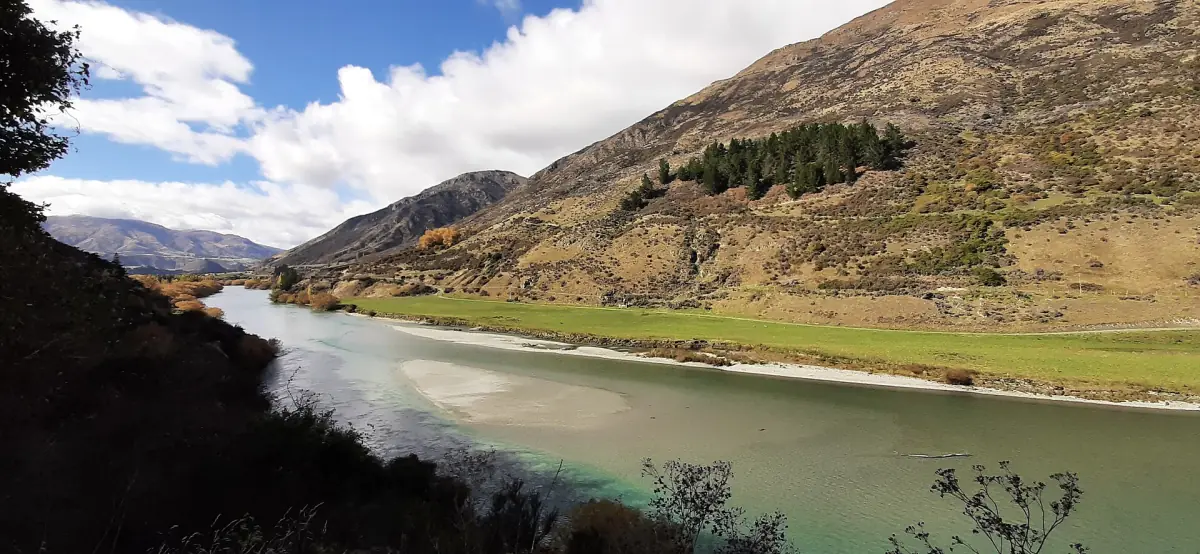
Weather: historical Queenstown temperatures
The following figures are historical MetService climate normals for Queenstown from 1981 to 2010, supplied through the World Meteorological Organization in 2011. Average daily maximum and minimum temperatures were 21.7°C and 9.7°C in January, compared with 7.7°C and minus 1.6°C in July. These are monthly climate averages, not the high and low forecast for a particular day.
For a milder comparison, the same historical series gives March an average daily maximum of 18.7°C and minimum of 7.3°C. October has 15.3°C and 4.3°C. Use those differences to choose a temperature range you enjoy, then consult the weather forecast near your visit. The series also records rainfall in winter and summer, so keep flexible outdoor plans rather than treating any month as a guaranteed dry period.
A day on the trail
Plan an independent ride with bike, helmet and return transport included.
Hand-picked tours, booked through Viator. Prices are indicative starting prices in US dollars (as of October 2026). Tap a tour for live availability and the current price in your currency.
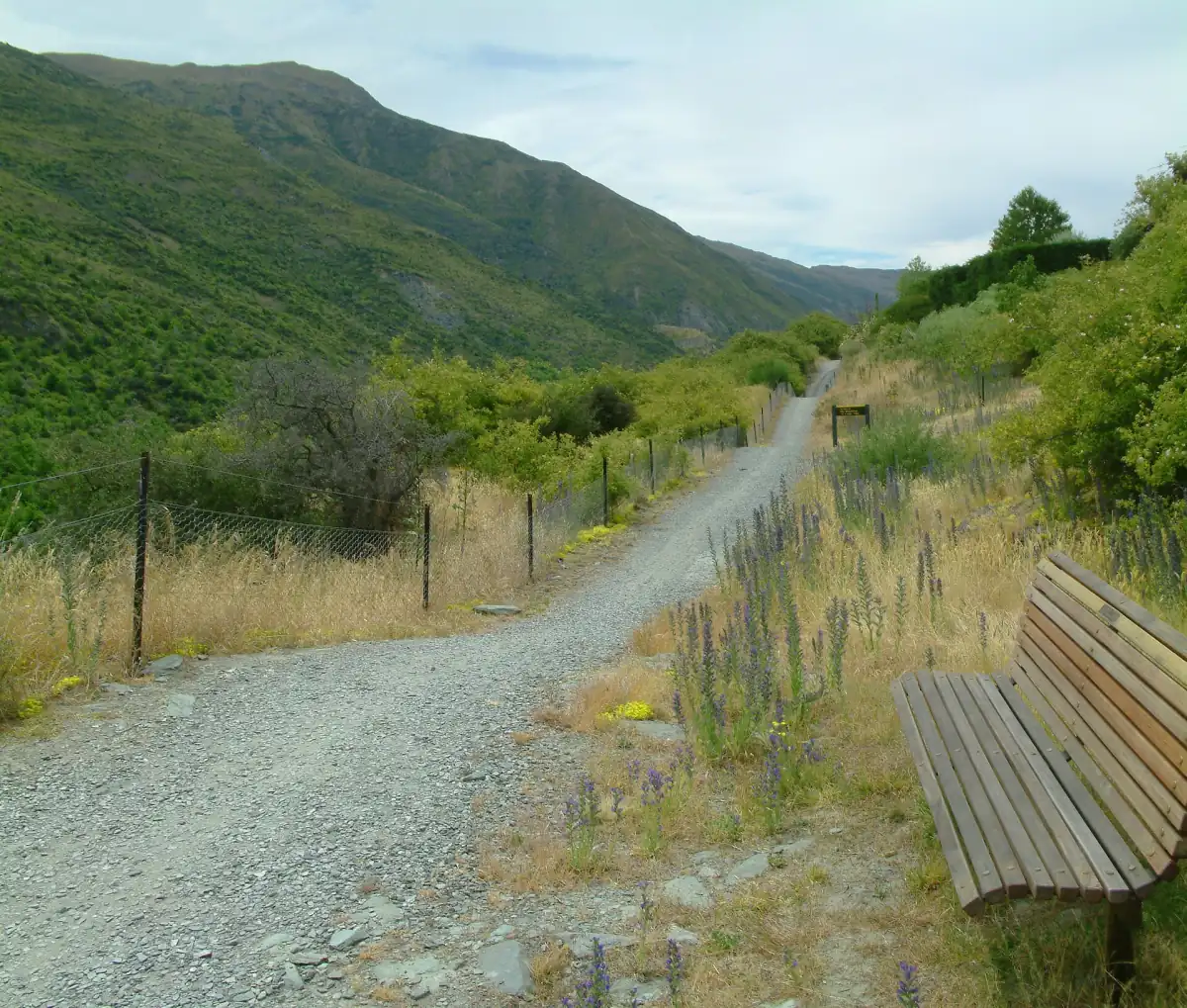
A self-guided Arrowtown to Gibbston ride
Choose a weather-suitable day for the bike outing, with a helmet, trail map, bike according to option, outward and return transport, and telephone support.
Rafting season and river conditions
The Kawarau rafting season runs from November to March, with operation dependent on weather, river level and water temperature. Allow about 4.5 hours for the whole experience, compared with 1 to 1.5 hours on the river. Put that time into your day before adding a road trip or another activity. The rafting guide covers the differences between the available packages.
Participation requires more than choosing a summer date. Rafting is Grade 2 to 3, for ages 13 and over, with a weight range of 40 to 120 kg and the ability to swim 25 m independently. Moderate fitness is required. Pregnancy and heart conditions exclude participation. Under-18s need responsible adult accompaniment or parental consent, and participants must understand the English safety instructions or have help translating them. Seasonal planning does not replace those conditions.
Bridge visits through the year
The bridge centre lists opening hours of 08:30 to 17:00 from October to April, and 09:00 to 16:30 from May to September. The last activities are 30 minutes before closing. It closes on 25 December. These hours help plan a viewing stop, but activity times need to fit your chosen booking.
The viewing area and visitor parking are free. For a day combining spectators and participants, decide who is doing an activity and who is using the visitor area, then allow for check-in together. Read the historic bridge visiting guide for the site and the bungy guide for participation conditions. The historic bridge and Kawarau Falls at the lake outlet are different destinations.
A bike day with a return journey arranged
The self-guided Arrowtown to Gibbston outing includes outward and return transport, a helmet, a detailed trail map and a hardtail mountain bike or e-bike according to the selected option. Telephone help is included for mechanical or navigation problems. Use the four-hour product duration as the outing allocation, rather than assuming every minute will be spent cycling.
Choose the ride for a day when the weather and your riding preferences suit being outdoors. Your bike option and arranged transport shape the day; tastings are a separate consideration when planning stops. For the local landscape and another clearly defined route, see Gibbston Valley and its river trail. Keep a cycling itinerary specific to its route rather than extending it into the whole gorge.
Turn a seasonal choice into a workable day
Book the activity you most want to do into the centre of your plan, with the journey and check-in before it and enough room for the return afterwards. For rafting, arrive at 88 Beach Street 20 minutes before the stated start. For a bridge visit, use the seasonal centre hours. These details matter more to the daily schedule than a general description of the season.
The transport guide separates airport arrivals, local buses and the road to the bridge. Choose a base near the right departure points if several days include organised activities. Keeping an alternative landscape or town plan available makes the itinerary easier to adapt when an outdoor activity changes.
Season and weather questions
Which months have the warmest historical averages?
January and February have the highest average daily maxima in the Queenstown 1981 to 2010 climate series. Those historical figures describe climate rather than your visit forecast.
Can I plan rafting in winter?
The stated Kawarau rafting season is November to March, dependent on weather, river level and water temperature. Choose your dates around that season if rafting is the priority.
Does the bridge centre open on Christmas Day?
The centre lists 25 December as its closure day. Its other seasonal hours differ between October to April and May to September.